
by admin | Sep 10, 2020 | Newspaper Report
ফিলিপ গাইন | News Link
বৃহস্পতিবার, সেপ্টেম্বর ১০, ২০২০ ১১:৪৪ পূর্বাহ্ন | জানুয়ারি মাসে প্রুনিংয়ের সময় চা-বাগানে কাজ করছেন নারী চা-শ্রমিকেরা। ছবি: ফিলিপ গাইন
মৌলভীবাজার জেলার দলই চা-বাগানের শ্রমিক রতন সাধু (৫৬) দৈনিক নগদ মজুরি পান ১০২ টাকা। এই মজুরি থেকেই কেটে রাখা হয় প্রভিডেন্ট ফান্ডে শ্রমিকের প্রদেয় অংশ, ধর্মীয় ফান্ড এবং ট্রেড ইউনিয়নের সদস্য-চাঁদা। রতন দৈনিক নগদ মজুরির সঙ্গে আরও যা পান, তার মধ্যে অন্যতম পাঁচ কেজি চাল বা আটা (সাড়ে তিন কেজি তার নিজের জন্য এবং দুই কেজি স্ত্রীর জন্য)। ভর্তুকি মূল্যে প্রতি কেজি চাল বা আটার জন্য তাকে অর্থ ব্যয় করতে হয়। নিবন্ধিত শ্রমিক হওয়ায় তিনি বছরে ৪ হাজার ৫৯০ টাকার দুটি বাৎসরিক বোনাসও পান। অন্যান্য চা-শ্রমিকের মতো তিনিও লেবার লাইনে বসবাস করেন এবং সেখানে তাকে ঘরভাড়া দিতে হয় না। এসবের পাশাপাশি তিনি আরও পান বিনা মূল্যে ন্যূনতম স্বাস্থ্যসেবা। রতন ও তার স্ত্রীর দুটি কন্যা সন্তান। একজনের বয়স ১৭, আরেকজনের ১৪। তাদের সন্তানেরা রেশন পায় না। কারণ রেশন সুবিধা পায় নিবন্ধিত শ্রমিকের দুই জন নির্ভরশীল সন্তান, যাদের বয়স ১২ বছরের কম।
নগদ মজুরি ও অন্যান্য সুবিধা মিলিয়ে রতন সাধুর মাসিক আয় দাঁড়ায় ৪ হাজার ২০২ টাকায়। এ হিসাব ঘর ভাড়া ও স্বাস্থ্যসেবা খরচ বাদ দিয়ে। কিন্তু, বাগান মালিকেরা চা-শ্রমিকদের দৈনিক মজুরি ও শ্রমিককে দেওয়া সুবিধার পুঙ্খানুপুঙ্খ হিসাব করে। শ্রমিকের প্রভিডেন্ট ফান্ডের দেওয়া অংশ এবং চা-পাতা তোলার কাজে ব্যবহৃত অন্যান্য উপকরণ যেমন: পাতি গামছা (৬০ ইঞ্চি লম্বা ও ৪০ ইঞ্চি চওড়া সুতি-গামছা) ও ছুপি (প্রখর রোদ ও বৃষ্টি থেকে মাথার সুরক্ষার জন্য হাতে তৈরি টুপি) ইত্যাদি বাবদ ছোটখাটো বিষয় খরচের তালিকা থেকে বাদ যায় না। আর এভাবেই ‘একজন চা-শ্রমিকের দৈনিক মজুরি দাড়ায় ২৭০ টাকা’, নাম প্রকাশ না করার শর্তে বলেন বাংলাদেশ টি অ্যাসোসিয়েশনের (বিটিএ) একজন ঊর্ধ্বতন কর্মকর্তা। সুতরাং মালিকদের সংগঠনের হিসাব অনুসারে, একজন শ্রমিকের মাসিক আয় আট হাজার ১০০ টাকা। যা সপ্তম গ্রেডের একজন গার্মেন্টস শ্রমিকের মজুরির সমান।
বাংলাদেশ চা-শ্রমিক ইউনিয়নের (বিসিএসইউ) সাধারণ সম্পাদক রামভজন কৈরী মালিকপক্ষের এ হিসাব মানতে রাজি নন। ‘সব মিলিয়ে একজন শ্রমিক পান সর্বোচ্চ ১৭০ টাকার’, বলেন কৈরী। ‘একজন চা-শ্রমিক যা পায়, তা ন্যায্য মজুরির ধারেকাছেও না।’
বিশ্বব্যাপী কোভিড-১৯ মহামারি চলাকালে চা-শ্রমিকদের মজুরি নিয়ে এমন বিস্তারিত আলোচনা আমি কেন সামনে তুলে ধরছি, তা নিয়ে অনেকেই অবাক হতে পারেন। এক লাখ ২২ হাজার চা-শ্রমিকের মজুরি নির্ধারণের জন্য গত বছরের অক্টোবরে স্বাধীন বাংলাদেশে তৃতীয়বারের মতো গঠন করা হয় নিম্নতম মজুরি বোর্ড। বাংলাদেশের চা-শ্রমিকদের ন্যূনতম মজুরি নির্ধারণে দুই ধরনের পদ্ধতি আছে। এর একটি চা-শ্রমিকদের প্রতিনিধিত্বকারী বিসিএসইউ ও মালিকদের প্রতিনিধিত্বকারী বিটিএ’র মধ্যকার দর কষাকষি ও আলোচনার মাধ্যমে দুই বছর অন্তর দুই পক্ষের মধ্যে একটি লিখিত চুক্তিতে উপনীত হওয়া। অন্যটি হলো নিম্নতম মজুরি বোর্ডের ঠিক করে দেওয়া মজুরি।
চা-শ্রমিকদের মজুরি নির্ধারণ এবং অন্যান্য সুযোগ-সুবিধা পাওয়ার বিষয়টি দীর্ঘদিন ধরে চলমান একটি জটিল বিষয়। শ্রমিকদের প্রাপ্য মজুরি কখনোই তাদেরকে নগদ দেওয়া হয়নি, এমন তথ্যই মেলে চা-শ্রমিকদের মজুরির ইতিহাস অনুসন্ধান করলে। ১৮৮০ ও ১৮৯০ দশকের দিকে আসামে (আজকের সিলেট বিভাগ তখন আসামের অংশ ছিল) একজন চা-শ্রমিকের মাসিক গড় আয় ছিল ছয় রুপি। এ অর্থ দিয়ে তারা এক মাস চলার মতো পর্যাপ্ত চাল কিনতে পারত না। তখন এক মণ চালের মূল্য ছিল যেখানে দুই রুপি, সেখানে প্রতি মাসে এক মণ চাল কেনার জন্য শ্রমিকেরা খরচ করতে পারতেন মাত্র এক রুপি। ওই সময় ‘চালের মূল্য যখন চড়া হতো, তখন বাজার মূল্যের চাইতে কম মূল্যে চাল সরবরাহ এবং ন্যূনতম চিকিৎসা সুবিধা দিতে মালিকরা আইনগতভাবে বাধ্য ছিল’, জন গ্রিফিতস তার বই টি: দ্য ড্রিংক দ্যাট চেঞ্জড দ্য ওয়ার্ল্ডে এমনটিই লিখেছেন।
তখন থেকেই চা-শ্রমিকদেরকে অন্যান্য সুবিধা যেমন: আবাসন, শাক-সবজি চাষের জন্য একটু জমি, বিনা মূল্যে বা ভর্তুকি মূল্যে কাপড় দেওয়া ইত্যাদি চালু হয়। চা-শ্রমিকদের জন্য চাল কেনায় ভর্তুকি ১৮৫৬ সালের দুর্ভিক্ষে যখন উড়িষ্যা ও বিহারে ১৫ লাখ মানুষ মারা যায় এবং ১৯২০-২১ সালের মন্দার সময় চা-শ্রমিকদেরকে অনাহার থেকে বাঁচাতে গুরুত্বপূর্ণ ভূমিকা রেখেছিল। শ্রমিকদেরকে চা-বাগানে আটকে রাখতে বা মালিকদের ওপর নির্ভরশীল হতে এ ব্যবস্থা কার্যকর প্রমাণিত হয়। আর এভাবেই ভর্তুকি ব্যবস্থা এবং মালিকদের ওপর চা-শ্রমিকদের নির্ভরশীলতা স্থায়ী রূপ নেয়।
বাংলাদেশের চা-বাগানগুলোতে শ্রমিকেরা যে নগদ মজুরি পাচ্ছেন, তা তাদের প্রকৃত মজুরির একটি অংশ। রেশনের চাল বা আটা দেওয়া হয় ভর্তুকি মূল্যে— বাজারমূল্য যাই হোক না কেন চা-শ্রমিকেরা এক কেজি চাল বা আটা কিনতে খরচ করে দুই টাকা। মালিকেরা স্বাস্থ্যসেবা, আবাসন, প্রভিডেন্ট ফান্ডে তাদের অংশ, উৎসব বোনাস এসব কিছুই হিসাব করে কড়ায়-গণ্ডায়। তবে, তারা শ্রম আইন অনুসারে লভ্যাংশের পাঁচ শতাংশ শ্রমিকদের দেওয়ার বিষয়ে সবসময়ই নীরব। তারা শ্রমিকদেরকে আইন মোতাবেক কখনোই গ্র্যাচুইটিও দেয়নি।
ঐতিহ্যগতভাবে বাংলাদেশ চা-শ্রমিক ইউনিয়ন (বিসিএসইউ) এবং বাংলাদেশ টি অ্যাসোসিয়েশন (বিটিএ) আলোচনার মাধ্যমে চা-শ্রমিকদের মজুরি নির্ধারণ করে। স্বাধীন বাংলাদেশে চা-শ্রমিকদের জন্য প্রথম নিম্নতম মজুরি বোর্ড গঠিত হয় ১৯৮২ সালে, যা বিসিএসইউ এবং বিটিএ কর্তৃক নির্ধারিত মজুরি অনুসারে মজুরি নির্ধারণ করে। ২০০৯ সালে গঠিত দ্বিতীয় নিম্নতম মজুরি বোর্ড শ্রমিকদের ন্যূনতম মজুরি ২০০৮ সালের ৩২ দশমিক পাঁচ টাকা থেকে বাড়িয়ে ৪৮ দশমিক ৫০ টাকা নির্ধারণ করে। সরকারি মধ্যস্থতা এবং বিসিএসইউ ও বিটিএ’র মধ্যে আলোচনার মাধ্যমে নগদ মজুরি বাড়িয়ে ২০১৩ সালের জুন থেকে করা হয় ৬৯ টাকা। ২০১৫ সালের জুন থেকে এ শ্রেণির বাগানের জন্য ৮৫ টাকা, বি শ্রেণির বাগানের জন্য ৮৩ টাকা এবং সি শ্রেণির বাগানের মজুরি নির্ধারণ করা হয় ৮২ টাকা।
বিসিএসইউ ও বিটিএ’র মধ্যে সর্বশেষ চুক্তি সই হয় ২০১৮ সালের ২০ আগস্ট (যা ২০১৭ সালের ১ জানুয়ারি থেকে কার্যকর) এবং শ্রমিকদের দৈনিক ন্যূনতম মজুরি ঠিক হয় এ শ্রেণির বাগানর জন্য ১০২ টাকা, বি শ্রেণির বাগানের জন্য ১০০ টাকা এবং সি শ্রেণির বাগানের জন্য ৯৯ টাকা। এই চুক্তিতে মালিকরা স্বাধীন বাংলাদেশে প্রথমবারের মতো বেতনসহ সাপ্তাহিক ছুটি দেয় এবং শ্রম আইন অনুযায়ী গ্র্যাচুইটি দিতে সম্মত হয়, যা শ্রমিকরা এখনো পায়নি।
বিসিএসইউ ও বিটিএ’র মধ্যে ২০১৯ সালেরে জানুয়ারি থেকে কার্যকর চুক্তি ঝুলে আছে। উভয় পক্ষই বেশ কয়েকবার বৈঠক করেছে। কিন্তু একমতে পৌছাঁতে পারেনি। এরই মধ্যে চা-শ্রমিকের ন্যূনতম মজুরি নির্ধারণের জন্য তৃতীয়বারের মতো নিম্নতম মজুরি বোর্ড গঠন করা হয় ২০১৯ সালের অক্টোবরে। কোভিড-১৯ মহামারির কারণে আলোচনায় বিলম্ব ঘটলেও নিম্নতম মজুরি বোর্ড সম্ভবত শিগগিরই চা-শ্রমিকের ন্যূনতম মজুরি ঘোষণা করবে।
চা-শ্রমিকদের সামনে এখন বড় প্রশ্ন— তাদের ন্যূনতম নগদ মজুরি কত হবে? ছয় সদস্যের নিম্নতম মজুরি বোর্ডে চা-শ্রমিক ইউনিয়নের প্রতিনিধিত্ব করছেন রামভজন কৈরী। তিনি দৈনিক নগদ মজুরি তিন শ টাকা দাবি করছেন। এটি বর্তমান দৈনিক নগদ মজুরি ১০২ টাকার তিন গুণ এবং কৈরী জানেন যে চা-বাগানের মালিকরা তার এ প্রস্তাবে কখনই রাজি হবেন না।
মালিক পক্ষের এক উচ্চপদস্থ কর্মকর্তা এবং অন্য যারা তার সঙ্গে মতবিনিময় করেছেন, তাদের সঙ্গে কথা বলে তিনি যা বুঝছেন তা হলো— বিটিএ শ্রমিকের নগদ মজুরি সর্বোচ্চ ১৫ টাকা বাড়াতে আগ্রহী। ওই কর্মকর্তার যুক্তি, চায়ের দাম সম্প্রতি খুব কমে গেছে এবং তাদের লাভও কম। ‘যদি অবাস্তব মজুরি নির্ধারণ করা হয়, তাহলে আমরা চা-শ্রমিকদের যেসব সুযোগ-সুবিধা দিচ্ছি তা হ্রাস করার বিষয়ে বিবেচনা করব’, বলেন ওই উচ্চপদস্থ কর্মকর্তা। তিনি আরও বলেন, ‘আমরা ওপেন মার্কেট সেল (ওএমএস) মূল্যে কেজি প্রতি চাল কিনি ২৪ টাকায়। আর শ্রমিকের কাছে দুই টাকায় বিক্রি করি। ভর্তুকিতে খাবারসহ অন্যান্য সুবিধা অব্যাহত রাখতে হলে নগদ মজুরি আমাদের সাধ্যের মধ্যে থাকতে হবে।’
চা-শ্রমিকরা সবসময় দেখে বাগানের ম্যানেজার ও মালিকের বিলাসবহুল জীবন। কাজেই তৈরি চায়ের দাম একবছর পড়ে গেলেও মালিকরা বড় কোনো চাপে পড়েছে, এমনটা বিশ্বাস করেন না চা-শ্রমিকরা। বাংলাদেশ চা বোর্ডের (বিটিবি) হিসাবে ২০১৯-২০২০ সালে এক কেজি চায়ের গড় মূল্য ছিল ১৭৬ দশমিক ০৮ টাকা, যা ২০১৮-২০১৯ সালে ছিল ২৬২ দশমিক ৯৬ টাকা। গত পাঁচ বছরে এক কেজি চায়ের গড় মূল্য ২০৬ দশমিক ২৪ টাকা। মহামারির কারণে চায়ের দাম এক বছর হ্রাস পেলেও তা পরবর্তীতে আবার বাড়বে।
আরেকটি গুরুত্বপূর্ণ বিষয় লক্ষণীয় হলো— মালিকরা কখনোই বাগানের নিরীক্ষা রিপোর্ট এবং লাভ-লোকসানের অঙ্ক বিসিএসইউ ও শ্রমিকদের কাছে প্রকাশ করে না। এক্ষেত্রে চট্টগ্রামের তিনটি বাগানের মালিক ব্র্যাক ব্যতিক্রম বলে মনে হয়। ব্র্যাক তার ২০১৮ সালের বার্ষিক প্রতিবেদনে তিন বাগান থেকে ১৪ কোটি ৮০ লাখ টাকা লাভের কথা প্রকাশ করেছে। যা আগের বছর থেকে ১১৪ শতাংশ বেশি।
ব্র্যাক প্রকাশিত তথ্য যে ইঙ্গিত দেয়, তা হলো— অন্য সব চা-বাগান বিসিএসইউ ও শ্রমিকদের কাছ থেকে তথ্য গোপন করছে। যা তাদের মজুরি নির্ধারণের জন্য আলোচনার সময় জানা খুব গুরুত্বপূর্ণ। যে বিষয়টি দিবালোকের মতো স্পষ্ট, তা হলো— মজুরি বৈষম্যসহ বিভিন্ন ধরনের বঞ্চনার কারণে চা জনগোষ্ঠীগুলোর মানুষ অন্যান্য নাগরিকদের চেয়ে অনেক পেছনে পড়ে আছে। বাংলাদেশ পরিসংখ্যান ব্যুরো (বিবিএস) ও ইউনিসেফের ২০১৮ সালের এক জরিপের ফলাফল অনুসারে, চা-বাগানের ৭৪ শতাংশ পরিবার দারিদ্র্যসীমার নিচে বাস করে। অথচ ২০১৬ সালে জাতীয় পর্যায়ে দারিদ্র্যের হার যেখানে ২৪ শতাংশ।
এমন অবস্থায় যে বিষয়টি একেবারেই ভুলে যাওয়া চলে না, তা হলো সমগ্র বিশ্বের চা-শিল্পে বাংলাদেশের চা-শ্রমিকরা সবচেয়ে কম মজুরি পান। তাদের গড় পারিবারিক আয় বাংলাদেশের জাতীয় বা গ্রামীণ দারিদ্র্যসীমা ও পারিবারিক আয়ের চেয়ে অনেক কম। আমাদের প্রতিবেশী দুই দেশ— শ্রীলঙ্কা ও ভারতে একজন চা শ্রমিকের দৈনিক নগদ মজুরি যথাক্রমে পাঁচ ও দুই মার্কিন ডলারের বেশি। এর ওপর যোগ হয় আবাসন, শিশু যত্ন এবং বিনা মূলে স্বাস্থ্যসেবা এবং অন্যান্য বাধ্যতামূলক ভাতা, যেমন: উপস্থিতি ভাতা ও বোনাস এবং ‘ওভার কিলো পেমেন্ট’ (দিনের কোটা পূরণের পরে কাঁচাপাতা তোলার জন্য প্রদত্ত মজুরি)।
২০১৫ সালে শ্রীলঙ্কার এক কেজি চা যখন ২ দশমিক ৯৯ ডলারে বিক্রি হয়, বিশ্ববাজারের তখন চায়ের দাম কেজি প্রতি ২ দশমিক ৫৯ ডলার এবং চট্টগ্রামে নিলামে তখন চায়ের দাম কেজিপ্রতি ২ দশমিক ৪১ ডলার। শ্রীলঙ্কার চা বিশ্ববাজারে সর্বাধিক দাম পাচ্ছে বটে, তারপরও বাংলাদেশের চায়ের গড় নিলাম মূল্য এত কম নয় যে এখানকার চা-শ্রমিকদের দৈনিক নগদ মজুরি এমন দুঃখজনকভাবে কম হবে। শ্রীলঙ্কায় চা উৎপাদন ব্যয়ের ৬৩ শতাংশ খরচ হয় শ্রমিকের জন্য ও চার শতাংশ যায় কর্মচারী ও ব্যবস্থাপনা খাতে। বাংলাদেশে চা-শ্রমিকের মজুরি নির্ধারণের সময় দেখা উচিত চা-শ্রমিকের মজুরি উৎপাদন খরচের কতে শতাংশ।
সবশেষে বলতে দ্বিধা নেই যে বাংলাদেশের চা-শ্রমিক যাদের বেশির ভাগ অবাঙালি এবং পাঁচ প্রজন্ম ধরে চা-বাগানের সঙ্গে বাঁধা পড়ে আছে, তাদের জীবনে মর্যাদাহীনতা চোখে পড়ার মতো। বেশিরভাগ লেবার লাইনে অনেক পরিবার গবাদি পশু নিয়ে একই ঘরে রাত্রি যাপন করে। বাংলাদেশের সংবিধান সুবিধাবঞ্চিত জনগোষ্ঠীর প্রতি বিশেষ যত্নসহ নাগরিকদের ‘অন্ন, বস্ত্র, আশ্রয়, শিক্ষা ও চিকিৎসাসহ জীবন ধারণের মৌলিক উপকরণ’র নিশ্চয়তা দেয়। চা-বাগানের মালিক ও কর্তৃপক্ষ উভয়েরই চা-শ্রমিকদের চাহিদা পূরণের দায়িত্ব রয়েছে। তাদেরকে মর্যাদা দিয়ে, সুস্থ ট্রেড ইউনিয়ন করার সুযোগ দিয়ে এবং তাদের সঙ্গে ঘনিষ্ঠভাবে কাজ করে সব পক্ষের লাভবান হবার দ্বার উন্মোচন করা উচিত। শক্তিশালী একাধিক ট্রেড ইউনিয়ন নিয়ে শ্রীলঙ্কা আমাদের সামনে সেরা উদাহরণ।
ফিলিপ গাইন, গবেষক ও সোসাইটি ফর এনভায়রনমেন্ট অ্যান্ড হিউম্যান ডেভেলপমেন্টের (শেড) পরিচালক
philip.gain@gmail.com
(দ্য ডেইলি স্টারের সম্পাদকীয় নীতিমালার সঙ্গে লেখকের মতামতের মিল নাও থাকতে পারে। প্রকাশিত লেখাটির আইনগত, মতামত বা বিশ্লেষণের দায়ভার সম্পূর্ণরূপে লেখকের, দ্য ডেইলি স্টার কর্তৃপক্ষের নয়। লেখকের নিজস্ব মতামতের কোনো প্রকার দায়ভার দ্য ডেইলি স্টার নিবে না।)

by admin | Aug 10, 2020 | Newspaper Report
Philip Gain | News Link
Tea workers of Chandpore Tea Estate in Hobiganj district protesting against economic zone in 2015. Photo: Philip Gain
The indigenous communities of the plains of Bangladesh, including those in the tea gardens, are excluded and marginalised for their identity, occupations, casteism, culture, geographical locations, and various other reasons. A large percentage of them are deprived of equal opportunities and face wide-ranging social, economic and political disadvantages.
According to the Small Ethnic Groups Cultural Organisation Act 2010, last updated in March 2019, the number of small ethnic communities in Bangladesh stands at 50—11 in the Chittagong Hill Tracts (CHT) and 39 in the plains (before revisions, their number was 27). However, according to independent research, there are a large number of small ethnic groups (no less than the number seen on the official list) in the tea gardens and other areas outside the CHT who are not included in the official list. Before the March 2019 revision, only nine of the tea communities were on the official list, an indication that a large number of tea communities still remain invisible.
The 2011 population census enumerated the ethnic communities at 1,586,141, which was 1.1 percent of the population back then. Of them, the ethnic population was 845,541 in the CHT and 740,600 in the plains. There are no government statistics on communities added to the official list in 2019.
What is unique in these communities is that they are diverse in ethnic, religious and occupational identities and fulfil many of the criteria of being “socially excluded”. The state has programmes to provide social protection to the ethnic, excluded populations and marginalised people who do not get the equal benefits of the economic progress the country has made. It is for their history, ethnic and religious identities, occupations, and colonial legacy that they have fallen behind.
Now, the challenge is how quickly these communities—who are deprived of equal opportunities, true education of their children, and development of capabilities and life skills—can catch up. Many of these communities, particularly in the tea gardens and those in other poverty pockets around the country, are so cut off from social relations and deprived of equal opportunities that occasional financial support is not enough. They are in need of special attention, and in many instances, they deserve positive discrimination to get out of their current situation.
However, because these communities are not uniformly poor and because their difficulties are not uniform, there is no single solution for all of them. Each community or group of communities faces some common difficulties; but they also face difficulties unique to their groups of communities. For example, tea communities of about half a million people are among the most marginalised, excluded and extreme poor of Bangladesh. The foremost of the key difficulties they face is wage deprivation, with a tea worker’s daily cash pay being Taka 102 (USD 1.7) only. Needless to say, a tea worker’s family income (cash pay plus fringe benefits) is far below the poverty level income, causing further deprivation from access to education, health services and nutritious food.
Social protection for the non-Bengali tea communities, who are “tied’ to the tea gardens and still seen as “aliens”, is not just a matter of some occasional financial support from the government. They are a labour class and one can imagine the effects of discrimination of the country’s labour law and the non-implementation of some of its key sections. One of the discriminations in the labour law is that the tea workers can only unionise at the national level. An example of non-implementation of the labour law is that they get no gratuity that the labour law provides for. The most appalling for the tea workers, who are descendants of indentured workers brought by the British tea companies to work on the tea gardens, is that they don’t own any land. They also do not own the houses they live in. It is only the state that can consider distribution of land to these landless people. It should be a top policy matter in order to introduce real social protection of the tea workers.
The Tk 5,000 or equivalent benefit given to a worker’s family every three years from the Programme for Livelihood Improvement of Tea Garden Labourers, a social safety net programme (SSNP) directly targeted at the tea workers, is a drop in the ocean of impoverishment. They, of course, get some benefits from other SSNPs, but those are also very inadequate.
There are also a great number of other ethnic communities, who are on as well as outside the government list. Those excluded from the official list include—Bhuiya, Bindumondol, Buna, Chowhan, Ghatual/Ghatuar, Hajra, Hari, Kadar, Kairi, Kalwar, Karmokar, Koda, Kshatriya, Lyngam (a group among the Khasi) Modok, Noonia, Pal (also known as Kumar), Rajbhar, Rajbongshi, Robidas and Tanti. There is a strong indication that one-third of around 650,000 Kshatriyas in nine districts in the Northwest—Bogura, Dinajpur, Joypurhat, Kurigram, Lalmonirhat, Nilphamari, Panchagarh, Sirajganj and Thakurgaon—are Koch. Some of these communities are found both inside and outside the tea gardens.
While just a few of the plain land ethnic communities such as the Garo, Khasi and Monipuris are doing well in attaining education and living a relatively dignified life, most of the others live hand to mouth and many are considered social outcasts. As landless farmers, labourers, porters, fishers, craftsman, rickshaw and van drivers, small traders, etc, they need scaled support from the state-financed social protection programmes.
While the National Social Security Strategy (NSSS) approved by the cabinet on June 1, 2015 guides social protection, there are at least 125 social safety net programmes administered by 25 ministries and divisions. The budget for these programmes for the fiscal year 2019-2020 was Tk 74,367 crore, which was 2.58 percent of GDP and 14.21 percent of the budget. However, the largest shares of SSNPs go in pensions for retired government employees and freedom fighters (Tk 26,395.05 crore in 2019-2020). In the fiscal year 2020-2021, the budget for SSNPs has been raised to Tk 95,574 crore.
In the list of SSNPs, just one of the 125 Lump Sum Provision for Development of Special Areas (except Hill Tracts) is directly devoted to the plain land ethnic communities. This provision was started in 2013-14 and the budget goes to Development Assistance for Small Ethnic Communities Living in Plain Land, an initiative of the prime minister’s office to provide development assistance to the plain land ethnic communities. Starting in 1996 with a budget of Taka five crore, the initiative has gradually scaled up financial support, with Taka 40 crores allocated for 2018-2019 and Taka 50 crores for 2019-2020. The initiative provides financial support for income generating projects. From 2016-2017, a few other marginalised groups such as the Dalit and tea workers have been included as recipients of benefits from this initiative. But given the population size of the plain land ethnic communities, the budget for this programme is still very small.
The beneficiaries, apart from development assistance, want the prime minister’s office to provide support to deal with land disputes, human rights abuse and khas (public) land distribution to the ethnic communities. There is of course national legal aid services organisations (NLASO) that provide legal assistance to the poor. However, there is very little awareness about NLASO and its outreach is limited.
The ethnic communities also access benefits from some other major SSNPs such as Food for Work, Work for Money, Vulnerable Group Development, Vulnerable Group Feeding, Open Market Sales, Cash for Work, Gratuitous Relief, Test Relief Food, community based healthcare, stipends (primary, secondary and higher secondary), old-age allowance, and allowances for widows and distressed women. In the absence of disaggregated data, it is difficult to say how the ethnic communities benefit from these programmes.
At the end of the day, what the indigenous communities and tea workers really want for their social protection goes far beyond some financial benefits. The first and foremost of their demands is the recognition of diverse ethnic communities and their common identity as “indigenous”. For the ethnic communities not to be excluded from SSNPs, there is a need of robust databases on their household income and asset situation. Special attention should be given to education for the children of the tea plantation workers and ethnic communities in particular. For instance, the government primary schools in the tea gardens outside Sreemangal upazila can be counted on fingers. The company schools (run by the owners of the tea gardens) are in very bad shape. Schools run by NGOs are also not stable. Enough access for the children of the tea and ethnic communities to the government schools can be instrumental in pulling these communities out of darkness.
At the same time, improving conditions for health and hygiene is an urgent need, particularly in the tea gardens where defecation in the open is still widespread. The single most important issue of the tea and ethnic communities is access to land. Resolving land rights issues and distribution of khas land to these communities is an urgent concern and high level policy matter. Granting customary land rights to those who live in forest villages is a long-standing issue. To resolve this issue, the government needs to sign the ILO Convention 169 that awards customary land rights to the communities who have been living on forest land for generations and do not have title deeds. Implementation of the Labour Act, 2006 and its amendment to end discrimination for the tea workers, is a timely demand of the tea workers. Passing of the anti-discrimination law by the parliament is no less important for the tea and ethnic communities, many of whom are considered social outcasts.
Philip Gain is a researcher and director of Society for Environment and Human Development (SEHD).
by admin | May 1, 2020 | Newspaper Report
ফিলিপ গাইন | News Link
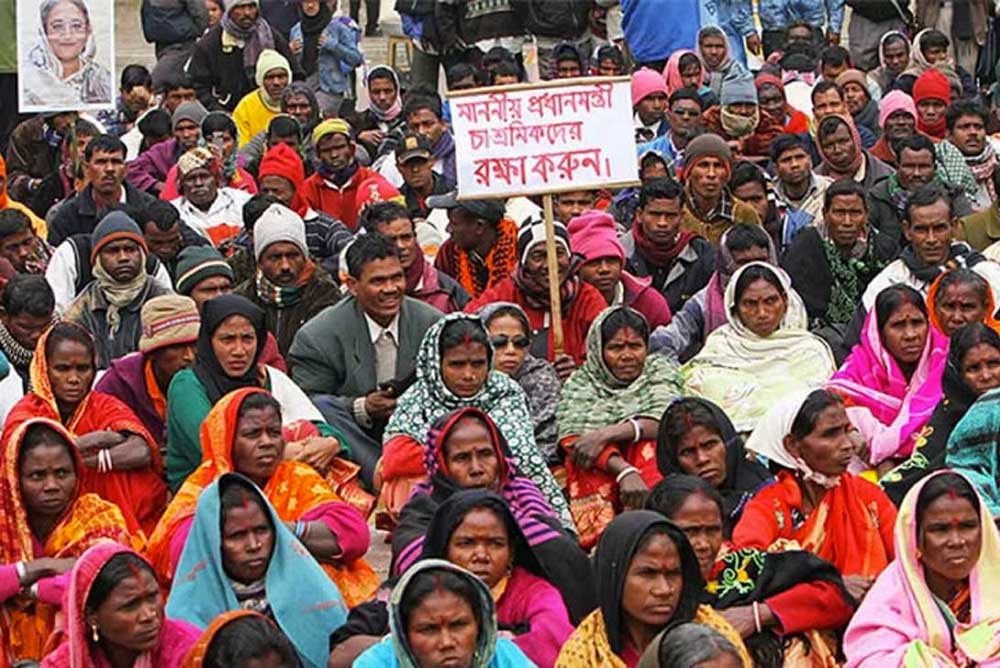
শুক্রবার, মে ১, ২০২০ ০৯:২০ অপরাহ্ন | ২০১০ সালে ঢাকার কেন্দ্রীয় শহীদ মিনার বেদিতে চা-শ্রমিকদের প্রতিবাদ সভা। ছবি: ফিলিপ গাইন
করোনাভাইরাসের সংক্রমণ রোধে দেশব্যাপী চলমান লকডাউনের শুরুর দিকে এক বা দুই দিনের জন্য কাজ বন্ধ করে দিয়েছিলেন সিলেট বিভাগের প্রায় ৬০টি চা-বাগানের শ্রমিকরা। মালিকরা বাগানের কার্যক্রম বন্ধ করতে না চাইলেও তারা সেটি অগ্রাহ্য করেন। বাগান মালিকরা আত্মতৃপ্তির সঙ্গে দাবি করেন, চা-শ্রমিকদের আবাসস্থল ও কর্মস্থল নিরাপদ। তাই তাদের করোনাভাইরাসে সংক্রমিত হওয়ার ঝুঁকি নেই।
বিদ্রোহী শ্রমিকরা মালিকদের সঙ্গে তখন একমত পোষণ করেননি। তাদের প্রশ্ন ছিল, যদি গার্মেন্টস শ্রমিকদের বন্ধ দেওয়া হয়, তবে তাদের কেন দেওয়া হবে না? পরে সরকার ও মালিকদের কাছে চা-বাগান লকডাউনের আওতায় আনা ও চা-শ্রমিকদের পুরো বেতনসহ ছুটি দেওয়ার দাবি জানিয়ে চিঠি লেখা শুরু করে প্রায় এক লাখ ৩০ হাজার চা-শ্রমিকের সংগঠন বাংলাদেশ চা-শ্রমিক ইউনিয়ন।
চা-শ্রমিকরা যখন বিভ্রান্ত ও অস্থির হয়ে উঠছিলেন, ঠিক সেই সময়ে গত ৩১ মার্চ জেলা প্রশাসকদের সঙ্গে ভিডিও কনফারেন্সে মতবিনিময়কালে প্রধানমন্ত্রী বলেছেন, ‘চা-শ্রমিকরা পাতা সংগ্রহের সময় বিচ্ছিন্নভাবে থাকে। …. এবং যেহেতু তারা প্রাকৃতিক পরিবেশে থাকেন, তাই করোনাভাইরাসের সংক্রমণ ছড়ানোর কোনো সুযোগ নেই। ফলে চা-বাগানের কার্যক্রম চলমান থাকতে পারে।’
‘চা-পাতা জমা করার সময় শ্রমিকরা যদি দূরে দূরে থাকে, তবে কোনো সমস্যা হওয়ার কথা নয় এবং যেহেতু সেখানে কেউ আক্রান্ত হয়নি, তাই চিন্তার কোনো কারণ নেই।’
সিলেটের জেলা প্রশাসকের মতামত শুনেই প্রধানমন্ত্রী এসব কথা বলেন। চা-বাগান মালিকদের প্রতিনিধিত্বকারী সংগঠন বাংলাদেশ টি অ্যাসোসিয়েশনের (বিটিএ) মতামত এবং জেলা প্রশাসক ও প্রধানমন্ত্রীর মতামত একই।
চা-শ্রমিক ও তাদের ইউনিয়ন প্রধানমন্ত্রীর প্রতি শ্রদ্ধাশীল। তাই ১ এপ্রিল থেকে তারা আবার কাজে ফিরে যায় এবং তখন থেকে সপ্তাহে ছয় দিন কাজ করে যাচ্ছেন।
এখন গার্মেন্টস ও সরকারি অফিস আবার চালু হচ্ছে। কাজেই সর্বশেষ ২০ এপ্রিল চা-বাগান লকডাউন করে শ্রমিকদের মজুরিসহ ছুটি দেওয়ার যে অনুরোধ বাংলাদেশ চা-শ্রমিক ইউনিয়ন করেছে, মালিকরা সেটা শুনবে— এমন আশা করা যায় না।
মহামারি করোনাভাইরাসের কারণে বাংলাদেশসহ সারাবিশ্বে কার্যত বিপর্যয় নেমে এসেছে। এই সময়ে চা-শ্রমিকরা, যাদের ৯০ শতাংশই বাঙালি নন, তারা মালিকদের ইচ্ছার কাছে নতি স্বীকার করেছেন।
১৮৩৯ সালে যখন ভারতে বাণিজ্যিকভাবে চা চাষ শুরু হয়, তখন থেকেই চা-শ্রমিকদের সিংহভাগকে অন্য জায়গা থেকে নিয়ে আসা হয়। ব্রিটিশ ঔপনিবেশিক আমলে ‘কুলি’ বলে পরিচিত এসব শ্রমিকরা দাসত্বের জীবন যাপন করতেন। তাদের অনেকেই ভারতের কুলি-ধরা আরকাঠি, সিরদার ও মাইস্ত্রী এবং শ্রীলংকার কাঙ্গানিদের হাতে আটকা পড়ে চা-বাগানে আসেন।
চা-শ্রমিক ও তাদের পূর্ব পুরুষেরা দুইটি মহাযুদ্ধ, নানা রকমের মহামারি ও স্বাধীনতা যুদ্ধসহ বিভিন্ন দুর্যোগের মধ্য দিয়ে গেছেন। এসব কিছুর তারা নীরব শিকার। কারণ, তারা শেকড়ছিন্ন ও মালিকদের ওপর নির্ভরশীল।
তারাও স্বাধীন বাংলাদেশের নাগরিক এবং দেশের যেকোনো স্থানে বাস করার অধিকার তাদেরও রয়েছে। কিন্তু, যে অবস্থার মধ্যে তারা আটকে গেছে, তাতে চা-বাগানেই তাদের জীবন পাড় করতে হচ্ছে। সেখানে তাদের নেই নিজস্ব কোনো জমি বা বাড়ি। প্রান্তে বেঁচে থাকা এসব মানুষ তাই জীবনভর বাগান মালিক ও রাষ্ট্রের ইচ্ছার কাছেই নতি স্বীকার করে আসছেন।
অসহায় চা-শ্রমিক ও দুর্ভাগা ট্রেড ইউনিয়ন
করোনা মহামারিতে আমরা দেখতে পাচ্ছি, সময়ের সঙ্গে সঙ্গে চা-শ্রমিকদের জীবনে সামান্যই পরিবর্তন এসেছে। এখন আর তাদের ‘কুলি’ বলে ডাকা হয় না। তবে, ব্রিটিশ-ভারতীয় আমলের চেয়ে তারা এখন যে খুব ভালো জীবন যাপন করছে, তা কিন্তু নয়। দেশের অন্যান্য নাগরিকরা যেসব সুযোগ-সুবিধা পেয়ে থাকেন, তারা সেগুলো পান না।
চা-শ্রমিকদের বিচ্ছিন্নভাবে বাস করতে হবে, তাই তারা নিরাপদ! যে কারণে মালিকরা তাদের সঙ্গে যা ইচ্ছে তাই করতে পারে এবং রাষ্ট্র ও আইনপ্রণেতারাও তাদের (মালিকদের) স্বার্থই রক্ষা করে। এমন সব অভিযোগের স্বপক্ষে কোনো প্রমাণাদি আছে কি? নিশ্চয়ই, অনেক প্রমাণ আছে।
এর মধ্যে অন্যতম— বাংলাদেশ শ্রম আইন ২০০৬’এ ইউনিয়ন করার ব্যাপারে চা-শ্রমিকদের প্রতি বৈষম্য। শ্রম আইন কোনো প্রতিষ্ঠানপুঞ্জের ক্ষেত্রে কেবলমাত্র জাতীয় পর্যায়ে ইউনিয়ন করার অধিকার দিয়েছে। সব চা-বাগান একটি প্রতিষ্ঠানপুঞ্জ হিসেবে পরিগণিত।
কাজেই চা-শ্রমিকরা কেবল জাতীয় পর্যায়ে ইউনিয়ন করতে পারেন এবং একটি ইউনিয়ন করার জন্য মোট শ্রমিকের অন্তত ২০ শতাংশ ও সব প্রতিষ্ঠানের ২০ শতাংশকে সদস্য হতে হবে! মালিক ও সরকারের কঠোর নিয়ন্ত্রণে ইউনিয়ন করার জটিলতা এমনই যে চা-শিল্পে দ্বিতীয় কোনো ইউনিয়ন করা একেবারেই অসম্ভব এবং এর ফলাফল যে সুদূরপ্রসারী, তা সহজেই অনুমেয়।
অন্যান্য শিল্পে কর্মরত শ্রমিকদের ১০ দিনের নৈমিত্তিক ছুটি থাকলেও চা-শ্রমিকদের নেই। অন্যান্য শিল্পে কর্মরত শ্রমিকরা যেখানে ১৮ দিন কাজ করে এক দিনের অর্জিত ছুটি পান, সেখানে চা-শ্রমিকরা পান ২২ দিন কাজ করে।
আমরা যদি চা-বাগানে শ্রম আইন ও শ্রম বিধিমালা লঙ্ঘন দেখি, তাহলে তালিকা আরও দীর্ঘ। প্রথমত— চা-শ্রমিকদের কোনোই নিয়োগপত্র দেওয়া হয় না। শ্রম আইনে বলা আছে, ‘কোনো মালিক নিয়োগপত্র প্রদান না করিয়া কোনো শ্রমিককে নিয়োগ করিতে পারিবেন না এবং নিয়োজিত প্রত্যেক শ্রমিককে ছবিসহ পরিচয়পত্র প্রদান করিতে হইবে।’ কিন্তু, চা-বাগানের কোনো শ্রমিকই মালিক পক্ষের কাছ থেকে নিয়োগপত্র পাননি।
বাংলাদেশ চা-শ্রমিক ইউনিয়নের উপদেষ্টা তপন দত্ত বলেন, ‘চা-বাগানের মালিকরা প্রভিডেন্ট ফান্ডের কাগজপত্রকেই নিয়োগপত্র হিসেবে বিবেচনা করে থাকেন। এটি কোনোভাবেই সমর্থনযোগ্য নয়।’
এমন বহু অভিযোগ রয়েছে যে, কোনো শ্রমিককে স্থায়ী করার আগে কয়েক বছর অস্থায়ী হিসেবে কাজ করানো হয়। অস্থায়ী হিসেবে কাজ করা শ্রমিকরা রেশন, চিকিৎসাসেবা ও বেতনসহ ছুটি পান না।
আরেকটি বড় উদ্বেগের বিষয় হলো— শ্রমিকরা কোনো গ্র্যাচুইটি পান না। ভেবে দেখুন, একজন চা-শ্রমিক সারাজীবন বাগানে কাজ করে গেলেন, অথচ কর্মজীবনের শেষে কোনো গ্র্যাচুইটি পেলেন না। গ্র্যাচুইটি দেওয়ার ক্ষেত্রে মালিকরা শ্রমিকদের ব্ল্যাকমেইল করে— এমন অভিযোগ প্রায়শই শোনা যায়।
বাংলাদেশ শ্রম আইনের ৩২ অনুচ্ছেদে বলা হয়েছে, ‘কোনো শ্রমিকের চাকরির অবসান হইলে, তাহা যেকোনো প্রকারেই হোক না কেন, তিনি তাহার চাকরির অবসানের ৬০ দিনের মধ্যে মালিক কর্তৃক তাহাকে বরাদ্দকৃত বাসস্থান ছাড়িয়া দিবেন৷’
চা-শ্রমিকরা বাগানের সঙ্গে বাঁধা। বাঙালি নন, এমন শ্রমিকদের প্রায় শতভাগেরই বাগানের ভেতরে বা বাইরে নিজস্ব কোনো জমি বা সম্পদ নেই। কাজেই চাকরিচ্যুত হওয়ার পর বা কর্মজীবনের শেষে তাদের আবাসস্থল যদি ছেড়ে দিতে হয়, তাহলে তারা কোথায় যাবে?
সাধারণত, পরিবারের এক সদস্য অবসরে গেলে আরেক সদস্য তার জায়গায় কাজ শুরু করেন। কিন্তু, যদি তাদের কেউ গ্র্যাচুইটি দাবি করেন, তাহলে তারা বড় ধরনের সমস্যায় পড়তে পারেন।
বাংলাদেশ চা-শ্রমিক ইউনিয়নের সাধারণ সম্পাদক রামভজন কৈরী বলেন, ‘২০১৮ ও ২০১৯ সালের জন্য বাংলাদেশ চা-শ্রমিক ইউনিয়ন ও মালিকদের সংগঠনের সঙ্গে সর্বশেষ যে চুক্তি হয়েছে, তাতে গ্র্যাচুইটি দেওয়া মালিকের জন্য বাধ্যতামূলক। কিন্তু, অবসরে যাওয়া কোনো শ্রমিকই এখনো গ্র্যাচুইটি পাননি।’
চা-শ্রমিকদের গত ১৫০ বছরের ইতিহাস এমনই যে বাংলাদেশ শ্রম আইনের ৩২ নম্বর ধারা তাদের ওপরে প্রয়োগ না করার যে দাবি, তার পেছনেও যুক্তি আছে।
এ ছাড়াও, চা-শ্রমিকরা দাবি করেন, তারা যে ঘরে থাকেন ও যে জমি ব্যবহার করেন, রাষ্ট্র ও মালিকরা তার মালিকানা তাদের দিয়ে দেক।
২০০৬ সালের শ্রম আইন (অনুচ্ছেদ ২৩৪) অনুযায়ী, কোম্পানির মুনাফার পাঁচ শতাংশ শ্রমিকদের পাওয়ার কথা। মুনাফার এই অর্থ শ্রমিকদের অংশগ্রহণমূলক তহবিল ও শ্রমিক কল্যাণ তহবিলে জমা দেওয়ার কথা। যা তারা সম্মিলিত সিদ্ধান্তের মাধ্যমে ব্যবহার করতে পারবেন।
বর্তমান শ্রম আইন প্রণয়নের আগেই চা-বাগানে এই বিধান ছিল। তবে, চা-শ্রমিকরা অতীতেও এই লভ্যাংশ পাওয়া থেকে বঞ্চিত ছিলেন, এখনো আছেন।
শ্রম আইন ও ২০১৫ সালের শ্রম বিধিমালা অনুযায়ী, শ্রমিকদের আরও কিছু উল্লেখযোগ্য সুবিধা দেওয়ার কথা থাকলেও সেগুলো থেকে বঞ্চিত চা-শ্রমিকরা। যেমন: কর্মস্থলে টয়লেট ও প্রক্ষালন সুবিধা। যেখানে চা-শ্রমিকরা চা-পাতা তোলার কাজ করেন এবং যেখানে চা-পাতা তোলা শ্রমিকদের ৯০ শতাংশই নারী, সেখানে না আছে টয়লেট, না আছে প্রক্ষালন কক্ষ। তা ছাড়া, খাবার পানির সরবরাহও সবসময় পর্যাপ্ত থাকে না— এমন অভিযোগও আছে।
যদি বাগান মালিকরা শ্রম বিধিমালা (অনুচ্ছেদ ৭৯) অনুসরণ করেন, তাহলে বাগানের ৫০০ বা তার অধিক শ্রমিকদের জন্য একজন কল্যাণ কর্মকর্তা নিয়োগ দেওয়ার কথা। যদি শ্রমিকের সংখ্যা দুই হাজারের বেশি হয়, তাহলে প্রত্যেক দুই হাজার শ্রমিকের জন্য একজন অতিরিক্ত কল্যাণ কর্মকর্তা নিয়োগ দেওয়ার কথা। এসব কল্যাণ কর্মকর্তারা বাগানের মালিক ও শ্রমিক— উভয়ের কল্যাণে কাজ করবেন।
বাংলাদেশ চা-শ্রমিক ইউনিয়নের সাধারণ সম্পাদক রামভজন কৈরী বলেন, ‘আমরা এখনো দেখিনি বা শুনিনি কোনো কল্যাণ কর্মকর্তাকে নিয়োগ দেওয়া হয়েছে। এটি একটি প্রহসন।’
আইন অনুযায়ী, শ্রমিক ও তাদের পরিবার, বিশেষ করে পরিবারের শিশুদের প্রতি আরও কিছু দায়িত্ব রয়েছে চা-বাগান মালিকদের। তবে, মালিকরা সেগুলো এড়িয়েই চলেন।
চা-বাগানে শ্রম আইনের যথাযথ প্রয়োগ নিশ্চিত করার দায়িত্ব শ্রম মন্ত্রণালয়ের অধীন কলকারখানা ও প্রতিষ্ঠান পরিদর্শন অধিদপ্তরের (ডিআইএফই)। কিন্তু, অভিযোগ আছে— সরকারি এই প্রতিষ্ঠানটিই শ্রম আইন ও শ্রমমান লঙ্ঘনের নীরব সাক্ষী।
দেশে লকডাউন চলাকালীন যখন চা-শ্রমিকদের নিজেদের ইচ্ছার বিরুদ্ধে গিয়েও কাজ করতে বাধ্য করা হয়, তখন বাগান মালিকদের ক্ষমতা ও প্রভাবের বিষয়টি সুস্পষ্ট। অসহায় শ্রমিকরাই মালিকদের প্রতি অনুগ্রহ করছেন।
এক্ষেত্রে, সরকারের দায়িত্ব কী? এখনই সময়, সরকারের উচিত চা-বাগানে শ্রম আইন ও বিধিমালা পুরোপুরি কার্যকর করতে মালিকদের বাধ্য করা। যাতে চা-শ্রমিকদের আর বৈষম্যের শিকার হতে না হয় এবং তারা কষ্টের জীবন থেকে মুক্তি পান।
ফিলিপ গাইন: গবেষক ও সোসাইটি ফর এনভায়রনমেন্ট অ্যান্ড হিউম্যান ডেভেলপমেন্টের (শেড) পরিচালক
philip.gain@gmail.com
(দ্য ডেইলি স্টারের সম্পাদকীয় নীতিমালার সঙ্গে লেখকের মতামতের মিল নাও থাকতে পারে। প্রকাশিত লেখাটির আইনগত, মতামত বা বিশ্লেষণের দায়ভার সম্পূর্ণরূপে লেখকের, দ্য ডেইলি স্টার কর্তৃপক্ষের নয়। লেখকের নিজস্ব মতামতের কোনো প্রকার দায়ভার দ্য ডেইলি স্টার নিবে না।)
by admin | May 1, 2020 | Newspaper Report
Philip Gain | News Link
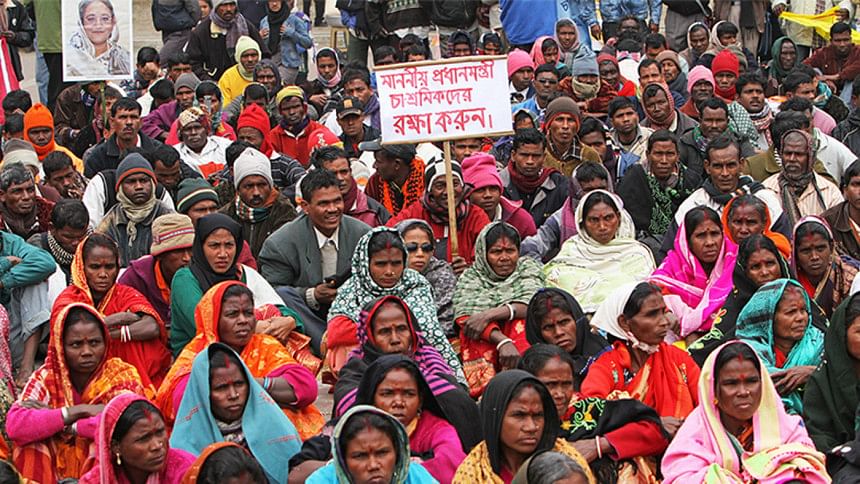
If we look into the violations of the labour law and the labour rules in the tea gardens, the list is quite stupefying. Photo: Philip Gain
The tea plantation workers (TPWs) in some 60 tea gardens in Sylhet stopped work for a day or two in the beginning of the countrywide lockdown. They ignored the owners’ decision to not stop the operation of tea gardens. The planters afforded to be complacent, secure in the knowledge that the tea workers live and work in safe enclaves and there is no risk for them to contract the coronavirus.
The revolting workers did not agree with the owners. They questioned, if the garment workers could afford lockdown holidays, why wouldn’t they be given a break as well? Bangladesh Cha Sramik Union (BCSU), the lone union of 130,000 TPWs, started writing to the owners and the government demanding that the tea gardens be brought under lockdown and the workers be given holidays with full pay.
It was at this time when the TPWs were getting confused and restless that the prime minister cleared things up at a video conference with the Deputy Commissioners (DCs) on March 31 that tea workers stay scattered when they pick leaves… and because they stay with nature, there is no chance of contraction so tea gardens can stay operational. If distance is maintained when the leaves are deposited, there should not be problems. And because no one has been infected, there is nothing to worry about. The prime minister said this in response to similar observations made by the DC of Sylhet. The observations of the DC and prime minister are similar to those of Bangladesh Tea Association (BTA) that represents the tea planters.
The tea workers and their union have respect for the prime minister. So from April 1, they went back to work and kept working six days a week ever since.
Now that the garment factories and government offices are reopening, it is unlikely that the planters will pay any heed to BCSU which filed its latest appeal to the owners on April 20 requesting shutdown of the tea gardens with pay.
The coronavirus pandemic has indeed caused unprecedented upheaval around the world including in Bangladesh. It is at this time that the TPWs, more than 90 percent of them non-Bengali, have succumbed to the wish of the planters. From 1939, when commercial tea plantation started in India, the overwhelming majority of TPWs have been non-locals. During the British time, these workers, known as coolies, had lived a life of slavery. Many had been trapped in the hands of coolie-catchers known as arkattis, sirdar and Maistri in India and Kangany in Sri Lanka.
The TPWs and their ancestors have gone through numerous upheavals and shocks during the two World Wars, numerous epidemics, and the independence war. They have always been the silent victims—because they are rootless and dependent on their employers. In independent Bangladesh, they are citizens of the country and free to live anywhere, but the conditions they are entrapped in keep them tied to the tea gardens where they have no land or houses of their own. As survivors living on the fringe, they always submit to the desires of the planters and the state.
Helpless tea workers, hapless trade union
The coronavirus epidemic shows that little has changed for tea workers over time. We no longer call them coolie, but they are not much better off than during the time of the British-India days. They are not to enjoy what other citizens do. They must live in isolation, so they are safe! The planters can do what they want to do with them and the lawmakers and the state guarantee their interest. Is there any evidence to support such allegations? Yes, there are plenty.
The foremost among them is the discrimination in the Bangladesh Labour Act, 2006 with regard to their union. The labour law allows trade union only at the national level for a group of establishments. All tea gardens are considered a group of establishments, so the TPWs can form union only at the national level, and to form a union at least 20 percent of the total workers and 20 percent of the workers from each garden must register! The intricacies of BCSU under the strong influence of the planters and the government make formation of a second union in the tea industry almost impossible. And the consequences are understandably far-reaching.
The tea workers also do not have any casual leave, which is up to 10 days in other industries. When workers in other industries are entitled to a day’s earned leave for working 18 days, the tea workers have to work 22 days for earning a day’s leave of this kind.
If we look into the violations of the labour law and the labour rules in the tea gardens, the list is much longer. First, the TPWs are not given appointment letter. The labour law stipulates, “No employer shall employ any worker without giving such worker a letter of appointment and every such employed worker shall be provided with an identity card with photograph.” No worker in the tea garden has any letter of appointment from planters. “In tea gardens, planters consider Provident Fund papers as letter of appointment,” says Tapan Datta, adviser to BCSU, “which can in no way be justified.” There are widespread allegations that a worker can be kept as casual for years before she or he is made permanent. A casual worker does not get ration, treatment and holidays with pay.
One area of grave concern is non-payment of gratuity. Imagine a TPW working all their life in a tea garden who gets no gratuity at the end of their service. The planters allegedly blackmail the workers with regard to gratuity. Article 32 of Bangladesh Labour Law stipulates: “A worker occupying a residential accommodation provided by his employer, whose service has been ceased by any means, shall vacate such residential accommodation within a period of sixty days from the date of cessation of employment.” The tea workers are tied to the tea gardens. Almost 100 percent of the non-Bengali TPWs have no land and property of their own inside or outside the tea gardens. Where shall they go upon retirement or at the end of service if they have to vacate their residence? Generally, a family member replaces the one who has retired. If one claims gratuity, it may land them in great trouble.
“The last agreement signed between the tea workers’ union and the owners’ association for 2018 and 2019 makes payment of gratuity obligatory according to the labour law,” says Rambhajan Kairi, general secretary of BCSU. “But so far, no retiree or anyone who has lost their job has received gratuity.”
Given the 150-year history of the tea gardens and tea workers, their demand that Article 32 of the labour law should not apply for the tea workers has a logic. Moreover, the tea workers demand that the government and the planters consider giving them ownership of the land and houses in their possession.
The tea workers are deprived of five percent of the profit of the companies that is guaranteed by the Labour Act, 2006 (article 234). This share of profit is supposed to be deposited to the workers’ participatory fund and workers’ welfare fund, which they shall be able to spend based on collective decision. The tea gardens had this provision even before the framing of the current labour act, but the TPWs have remained deprived of company’s profit-sharing both in the past and even now.
The labour law and the Labour Rules 2015 provide quite a few other significant facilities to workers that the planters ignore every day. For example, toilets and washing facilities at workplace. In the sections or workplaces of tealeaf pickers where more than 90 percent of the workers are women, there is no toilet or washing facility. Drinking water is also reported to be in short supply. If the planters follow the labour rules (Article 79), they are to appoint one welfare officer in a tea garden employing 500 or more workers. If the number of workers exceeds 2,000, then for every two thousand and the fragmented numbers the planters are obliged to engage one additional welfare officer. The welfare officer has a long list of responsibilities to perform for the wellbeing of both planters and workers.
“We have not seen or heard of any such welfare officer appointed yet,” said Rambhajan Kairi. “It is a farce.” There are many other legal obligations of the planters towards their workers and their family members with special attention to children, which they ignore. Meanwhile, the Department of Inspection for Factories and Establishments (DIFE)—one of the key state agencies tasked to ensure implementation of labour law in the tea gardens—helplessly witnesses all these breaches of labour law and labour standard!
The power and influence of the tea planters became evident when the TPWs were forced to work against their will during the lockdown. The helpless TPWs have done a great favour to the planters. But what about the responsibility of the government? It is high time the government obliged the planters/owners to fully implement the labour law and the labour rules in the tea gardens so that the workers are no longer discriminated against and are not compelled to live a life of perpetual hardship.
Philip Gain is a researcher and director of Society for Environment and Human Development (SEHD). Email: philip.gain@gmail.com

by admin | Apr 17, 2020 | Newspaper Report
ফিলিপ গাইন | News Link
শুক্রবার, এপ্রিল ১৭, ২০২০ ০১:১৬ অপরাহ্ন | বেদে জনগোষ্ঠীর একটি অস্থায়ী ক্যাম্প। ছবি: ফিলিপ গাইন
ধনী-গরিব সবার ওপরেই পড়েছে মহামারি করোনাভাইরাসের প্রভাব। তবুও, রাষ্ট্র ও সচ্ছল মানুষদের উচিত— সামাজিকভাবে পিছিয়ে পড়া, প্রান্তিক ও বিচ্ছিন্ন সম্প্রদায়ের প্রতি এ সময়ে বিশেষ নজর দেওয়া। এসব সম্প্রদায়ের সিংহভাগই কেবল দরিদ্র কিংবা হতদরিদ্র নয়, তারা দারিদ্র্যের ত্রিমুখী চ্যালেঞ্জ ও দুর্বলতার মুখোমুখি। দেশে চলমান দুর্যোগকালীন তাদের অনেকেই হয়তো ক্ষুধার্ত কিংবা অনাহারে জীবন যাপন করে থাকতে পারেন। দেশে চলমান লকডাউনে কীভাবে এসব সম্প্রদায়ের মানুষের দিন কাটছে, সে চিত্র আমাদের জানা উচিত।
মালিকদের সন্তুষ্টির জন্য লকডাউনের মধ্যেও কাজ করে যাচ্ছেন সিলেট ও চট্টগ্রাম বিভাগের ১৬৩টি চা-বাগানের শ্রমিকরা। দেশের গার্মেন্টস শ্রমিকদের মতো তারাও বেতন ও অন্যান্য সুবিধাসহ ছুটির দাবি জানিয়েছিলেন। কিন্তু, সরকার ও বাগানের মালিকদের সিদ্ধান্ত, ‘বাধা’ চা-শ্রমিকরা অবশ্যই কাজ করবেন। কারণ, তাদের ধারণা, চা-শ্রমিকরা করোনার ঝুঁকি থেকে মুক্ত এবং তারা নিরাপদেই বসবাস করেন; কাজেই চা-বাগানগুলো চালু রাখতে কোনো সমস্যা নেই। বলা বাহুল্য, করোনা পরিস্থিতি মোকাবিলায় সরকারঘোষিত প্রণোদনা সুবিধার আওতায় চা-শ্রমিকরা নেই।
চা-বাগানগুলোতে বসবাসরত প্রায় পাঁচ লাখ মানুষের আরেকটি গুরুতর বিষয় রয়েছে। সেটি হলো— চা-বাগানগুলোতে সাধারণত এক পরিবার থেকে একজনই চা-বাগানে কাজ করেন এবং তার দৈনিক আয় ১০২ টাকার নগদ মজুরি ও কিছু রেশন সুবিধা। কিন্তু, পাঁচ সদস্যের পরিবারের পক্ষে এইটুকু দিয়ে বেঁচে থাকা দায়। প্রত্যেক চা-শ্রমিক পরিবারের অন্তত একজন প্রতিদিন বাগানের বাইরে কৃষিকাজ, ইটভাটা, ফলমূল ও লেবু বাগান বা বাড়িঘরে শ্রমিক হিসেবে কাজ করে কিছু রোজগার করেন।
প্রায় এক লাখ স্থায়ী চা-শ্রমিকের সংগঠন বাংলাদেশ চা-শ্রমিক ইউনিয়নের যুগ্ম সম্পাদক নৃপেন পাল বলেন, ‘চা-বাগানে যত শ্রমিক তার থেকেও বেশি মানুষ ঠিকাদারের মাধ্যমে বা নিজেরা কাজ খুঁজে প্রতিদিন রোজগার করেন।’
দেশে বর্তমানে লকডাউন জারি করার পরেও এসব মানুষ বাগানের বাইরে কাজের খোঁজে বেরিয়েছেন। বাংলাদেশ চা-শ্রমিক ইউনিয়নের সাধারণ সম্পাদক রামভজন কৈরী বলেন, ‘বাগানের বাইরে কাজ করা শ্রমিকদের অনেকেই এখন আর কাজের জন্য বাইরে যেতে পারছেন না। ফলে এসব চা-শ্রমিক পরিবারকে খুবই সমস্যায় পড়তে হচ্ছে।’
চা-শ্রমিকরা এখনো সরকারঘোষিত প্রণোদনা প্যাকেজের আওতায় থেকে ছুটি চান। উদ্বৃত্ত ও বেকার শ্রমিকদের ক্ষেত্রে সরকার, বাগান মালিক ও চা-শ্রমিক ইউনিয়নের উচিত দ্রুত তাদের তালিকা তৈরি করা এবং তাদের পর্যাপ্ত ত্রাণ সহায়তার ব্যবস্থা করা। একইসঙ্গে কর্মক্ষেত্রে চা-শ্রমিকদের সুরক্ষা ব্যবস্থা, যা এখন নেই, তা নিশ্চিত করা।
বাংলাদেশে বসবাসরত অবাঙালি পেশাজীবী সম্প্রদায় হরিজন। যারা সুইপার কিংবা ক্লিনার নামে পরিচিত। সিটি করপোরেশন ও পৌরসভার অধীনস্থ বিভিন্ন কলোনিতে গাদাগাদি করে বাস করেন থাকেন হরিজন সম্প্রদায়ের লোকেরা। বেশিরভাগ হরিজন পল্লিই শহরের সবচেয়ে নোংরা স্থানে অবস্থিত। সেখানে প্রায় এক লাখ হরিজনের বসবাস। অর্থাৎ, শহর পরিষ্কার রাখছেন যে হরিজনরা, তারাই বাস করছেন সবচেয়ে নোংরা স্থানে। তাদের কলোনিগুলোতে যে পরিমাণ ত্রাণ ও সুরক্ষা উপকরণ দেওয়া হয়েছে, প্রয়োজনের তুলনায় তা অপ্রতুল।
হরিজনদের সংগঠন বাংলাদেশ হরিজন ঐক্য পরিষদের সভাপতি কৃষ্ণলাল বলেন, ‘ঢাকায় সিটি করপোরেশন থেকে আমাদের এখন পর্যন্ত একবার কিছু সাবান ও ব্লিচিং পাউডার দেওয়া হয়েছে।’
চা-শ্রমিকদের মতো যেসব হরিজন অস্থায়ী শ্রমিক, তারা বিভিন্ন সরকারি-বেসরকারি প্রতিষ্ঠানে কাজ করেন। এ ছাড়া, অনেকে তাদের ডেকে নিয়ে পরিষ্কার-পরিচ্ছন্নতার কাজ দেন। বর্তমানে চলমান লকডাউনে কাজ পাচ্ছেন না এসব উদ্বৃত্ত হরিজন-শ্রমিক। তাদেরও রাষ্ট্রের পক্ষ থেকে বিশেষ সহায়তা প্রয়োজন।
করোনার প্রভাবে মারাত্মক পরিস্থিতির মধ্যে পড়েছে দেশের ভাসমান জনগোষ্ঠী বেদে সম্প্রদায়। সমাজ সেবা অধিদপ্তরের তথ্য অনুযায়ী, বাংলাদেশে বসবাসরত বেদের সংখ্যা ৭৫ হাজার ৭০২। তবে, বেদে জনগোষ্ঠীর দাবি, তাদের সংখ্যা প্রায় পাঁচ লাখ।
তাদের বেশিরভাগই দেশের বিভিন্ন স্থানে রাস্তার ধারে কিংবা খোলা মাঠে তাঁবুতে থাকেন। এই অস্থায়ী বসবাসের ক্যাম্পে থাকার সময় তারা স্থানীয় মানুষদের থেকে বিচ্ছিন্ন থাকেন। ফলে স্থানীয় প্রশাসন কিংবা নির্বাচিত জনপ্রতিনিধিদের কাছ থেকে তারা প্রত্যাশিত সহায়তা নাও পেতে পারেন। চলমান এই দুর্যোগকালীন পরিস্থিতিতে স্থানীয় প্রশাসনকে নির্দেশনা দিয়ে সরকার তাদের পাশে দাঁড়াতে পারে।
দেশে প্রায় এক লাখ যৌনকর্মী রয়েছেন, যাদের মধ্যে চার হাজারের মতো বাস করেন দেশের ১১টি যৌনপল্লিতে। বলা বাহুল্য, দেশের বর্তমান পরিস্থিতিতে যৌনপল্লিগুলো বন্ধ করে দেওয়া হয়েছে। সরকারের পক্ষ থেকে যৌনপল্লি ভিত্তিক যৌনকর্মীরা যে সহায়তা পাচ্ছেন, তা পর্যাপ্ত নয়। দেশের প্রায় ৩৭ হাজার ভাসমান যৌনকর্মীর মধ্যে অনেকের হয়তো থাকার জায়গাও নেই। এ ছাড়া, আরও প্রায় ৩৭ হাজার যৌনকর্মী বাসা-বাড়ি থেকে কাজ করে থাকেন এবং হোটেল ভিত্তিক যৌনকর্মী রয়েছেন আরও প্রায় ১৬ হাজার।
সরকারি হিসাব অনুযায়ী, দেশে প্রায় ১০ হাজার তৃতীয় লিঙ্গের মানুষ রয়েছেন। দেশে চলমান সংকটময় পরিস্থিতিতে ভাসমান যৌনকর্মীদের মতো বেহাল দশা তাদেরও। কারণ, বিভিন্ন বাজার ও রাস্তার মানুষদের কাছ থেকে চাঁদা ও ভিক্ষা সংগ্রহ করেই তারা জীবিকা নির্বাহ করে থাকেন। তাদের মধ্যে অনেকেই আবার যৌনকর্মী হিসেবেও কাজ করেন। দেশের এই সংকটময় সময়ে সাহায্যের জন্য আকুতি জানাচ্ছেন তৃতীয় লিঙ্গের মানুষ ও যৌনকর্মীরা।
পেশাগতভাবে প্রান্তিক ও সামাজিক অস্পৃশ্যতার শিকার জলদাসরা বংশ পরম্পরায় একটি মৎস্যজীবী জনগোষ্ঠী। দেশের কক্সবাজার ও চট্টগ্রাম জেলায় বাস করছেন প্রায় দেড় লাখ জলদাস। মূলত সমুদ্রে মাছ ধরে জলদাসরা জীবিকা নির্বাহ করেন; বর্তমানে সমুদ্রে মাছ ধরায় নিষেধাজ্ঞা রয়েছে।
জলদাস জনগোষ্ঠীর একজন বিশিষ্ট শিক্ষাবিদ ও লেখক হরিশংকর জলদাসের দেওয়া তথ্যানুসারে, উপকূলীয় গ্রামে বসবাসরত অনেক জলদাস পরিবারের কাছে এখনো ত্রাণসামগ্রী পৌঁছায়নি। স্থানীয় প্রশাসনের উচিত এই অভিযোগ আমলে নিয়ে জলদাস সম্প্রদায়ের প্রতি সহায়তার পরিমাণ বাড়িয়ে দেওয়া।
দেশের ১৩টি জেলার ৭০টি ক্যাম্পে বাস করছেন তিন লাখ উর্দুভাষী বিহারি। তারাও কোনো ধরনের সহায়তা পাচ্ছেন না বলে জানা গেছে। ৭০টি ক্যাম্পের মধ্যে ৩৩টিই ঢাকায়।
গত ৯ এপ্রিল স্ট্র্যান্ডেড পাকিস্তানিজ জেনারেল রিপ্যাট্রিয়েশন কমিটির (এসপিজিআরসি) সাধারণ সম্পাদক এম শওকত আলী বলেন, ‘বিহারি ক্যাম্পগুলোতে এখনো কোনো ধরনের সরকারি ত্রাণসামগ্রী এসে পৌঁছায়নি। আমরা ক্যাম্পগুলোতেই রয়েছি। আমাদের খাদ্য সহায়তা ও সুরক্ষা উপকরণ প্রয়োজন।’
দেশের দক্ষিণ-পশ্চিমাঞ্চলীয় জেলা যশোর, খুলনা ও সাতক্ষীরার ৪১টি গ্রামে বাস করছেন কায়পুত্র জনগোষ্ঠীর ১২ হাজার মানুষ। তারা সাধারণত শূকর চরানো জনগোষ্ঠী হিসেবে পরিচিত, যে কারণে তারা সমাজের একটি বড় অংশের কাছে ‘অচ্ছুৎ’ হিসেবে বিবেচিত। করোনাভাইরাসের প্রভাব পড়েছে তাদের ওপরেও। কায়পুত্র জনগোষ্ঠী এবং তাদের পালিত শূকরগুলো মহামারি করোনাভাইরাসের কারণে অকল্পনীয় জটিলতার মধ্যে দিয়ে জীবন যাপন করছে।
যশোরের শূকর ব্যবসায়ী দিলিপ মণ্ডল সম্প্রতি তার ৬০০ শূকরের পাল ও ১৫ জন রাখাল নিয়ে শরীয়তপুরে ছিলেন। তিনি বলেন, ‘শরীয়তপুরের লোকেরা এমনভাবে আমাদের দিকে আঙুল তুলল, যেন আমরা অপরাধী। তারা আমাদের দ্রুত সেই এলাকা ছাড়তে বলে। আমরা শূকরগুলো নিয়ে হেঁটে নড়াইলে চলে আসি।’ লকডাউন চলাকালে শূকর বা শূকরের মাংস বিক্রি কোনোভাবেই সম্ভব নয়।
বাংলাদেশে বসবাসরত ঋষিরা বংশ পরম্পরায় চর্মকার, চামড়া-শ্রমিক ও বাদক। তাদেরকে মুচি, চামার ও চর্মকার নামেও অভিহিত করা হয়। করোনাভাইরাসের প্রভাব পড়েছে তাদের ওপরেও। যদিও তাদের বেশিরভাগই যশোর, সাতক্ষীরা ও খুলনা জেলায় বসবাস করেন, কিন্তু দেশের প্রায় সব জেলাতেই ঋষি গোষ্ঠীর মানুষ রয়েছেন।
তাদের মধ্যে যারা মুচি হিসেবে কাজ করেন কিংবা যারা বাঁশের জিনিস তৈরি করে থাকেন, বর্তমানে তাদের কাজ নেই। সাতক্ষীরায় ঋষি ও দলিতদের জন্য কর্মরত সংগঠন পরিত্রাণের পরিচালক মিলন দাস বলেন, ‘দেশের দক্ষিণ-পশ্চিমাঞ্চলীয় জেলায় বসবাসরত ঋষি সম্প্রদায়ের মানুষেরা সরকারের পক্ষ থেকে কোনো ধরনের ত্রাণসামগ্রী পাচ্ছে না বললেই চলে।’
বাংলাদেশে আছেন ক্ষুদ্র নৃ-গোষ্ঠীর অন্তত প্রায় ২০ লাখ মানুষ। এদের মধ্যে যারা পার্বত্য চট্টগ্রামে জুম চাষ করেন, প্রত্যন্ত এলাকায় বাস করেন ও কৃষিকাজ করেন, চলমান সংকটময় পরিস্থিতিতে তারাও কঠিন সময় পার করছেন। উন্নয়ন পরামর্শক হ্যান হ্যান বলেন, ‘বছরের এ সময়টি পার্বত্য চট্টগ্রামে এমনিতেই সংকটের মাস, আর এখনি এখানে খাদ্য সংকটের ব্যাপারটি স্পষ্ট।’
পার্বত্য চট্টগ্রামের জেলা ও স্থানীয় প্রশাসন এ ব্যাপারে অবগত। পার্বত্য চট্টগ্রাম উন্নয়ন বোর্ডের সদস্য প্রকাশ কান্তি বড়ুয়া বলেন, ‘কিছু প্রত্যন্ত অঞ্চলে খাবার পৌঁছানো কঠিন। খাদ্য সংকটের সময় অভাবী মানুষের কাছে খাদ্য পৌঁছানোর ক্ষেত্রে আমরা ইউএনও ও ইউনিয়ন পরিষদের তৈরি করা তালিকা অনুসরণ করছি।’
এ ছাড়া, ক্ষুদ্র নৃ-গোষ্ঠীর মানুষের, বিশেষ করে কৃষক, দিনমজুর, রেলস্টেশনে কাজ করা শ্রমিক ও যারা বস্তিতে থাকেন, সরকারে উচিত তাদের প্রতি বিশেষ নজর দেওয়া।
সামাজিকভাবে পিছিয়ে পড়া, প্রান্তিক ও বিচ্ছিন্ন আরও অনেক সম্প্রদায়ও রয়েছে, যাদের এ মুহূর্তে সহায়তা প্রয়োজন। এদের মধ্যে রয়েছেন— প্রতিবন্ধী, নাপিত, ধোপা, তাঁতি, দর্জি, কসাই, কামারসহ অনেকেই। এ ছাড়া, যারা রাস্তায় ভিক্ষা করেন ও রাস্তাতেই থাকেন, তাদের কথা ভুলে গেলেও চলবে না।
বিশ্বের সঙ্গে সঙ্গে পুরো দেশই গভীর শোকের মধ্যে রয়েছে। আমরা জানি না এ মহামারির শেষ কবে। যা হোক, করোনাভাইরাসের বিরুদ্ধে লড়াইয়ে সরকারের পাশাপাশি সমাজের বিত্তবানদেরও পিছিয়ে পড়া ও প্রান্তিক সম্প্রদায়ের ৭০ লাখ মানুষের পাশে এসে দাঁড়ানো উচিত। আমাদের অঙ্গীকার হওয়া উচিত— কোথাও কেউ ক্ষুধার্ত না থাকুক কিংবা অবহেলায় কারো মৃত্যু না হোক।
ফিলিপ গাইন: গবেষক ও সোসাইটি ফর এনভায়রনমেন্ট অ্যান্ড হিউম্যান ডেভেলপমেন্টের (শেড) পরিচালক
philip.gain@gmail.com
(দ্য ডেইলি স্টারের সম্পাদকীয় নীতিমালার সঙ্গে লেখকের মতামতের মিল নাও থাকতে পারে। প্রকাশিত লেখাটির আইনগত, মতামত বা বিশ্লেষণের দায়ভার সম্পূর্ণরূপে লেখকের, দ্য ডেইলি স্টার কর্তৃপক্ষের নয়। লেখকের নিজস্ব মতামতের কোনো প্রকার দায়ভার দ্য ডেইলি স্টার নিবে না।)
