

Brattyajan Resource Centre

Brattyajan Resource Centre

Brattyajan is a Bangla word (Brattaya meaning devotee + jan meaning people) that well defines the excluded and marginalized groups and communities of Bangladesh. From ancient times (Vedic age), the word means people who are devout, honest, simple and peace-loving. When we get close to the indigenous communities and all other marginalized and excluded groups we see they are simple, honest, religious, devout, craftsmen and peace-loving. However, they have fallen behind and they are generally poorer than others, facing human rights abuses and do not get respect they deserve, largely because of their simplicity, honesty, humbleness, minority status, ethnic identities, casteism, occupations considered to be low and lower level of education than the majority community. They are generally considered ‘others’ by the majority community, pushed to the edge and it is hard for them to migrate out of their current status.

Brattyajan Resource Centre (BRC) has been initiated through the project, “Promoting human rights of marginalized groups in Bangladesh through Brattyajan Resource Centre” funded by MISEREOR and Caritas France that are committed to promoting social justice, human rights and sound environment.

There are hundreds of government and non-government organizations that provide services to the marginalized and excluded communities. Yet, many of these groups remain invisible because of dearth of information. The ultimate goal of BRC is to contribute concretely to the protection of the marginalized and excluded communities and work unitedly with all stakeholders to assist them become equal and dignified citizens of the country.

Read More

Include them in govt census

Include them in govt census

Include them in govt census

Say speakers on under-represented minorities

Staff Correspondent

Various under-represented minorities of the country have been facing discrimination and marginalisation. Due to lack of government census data on them and proper recognition, these people, most of whom are ultra-poor, are now in crisis.

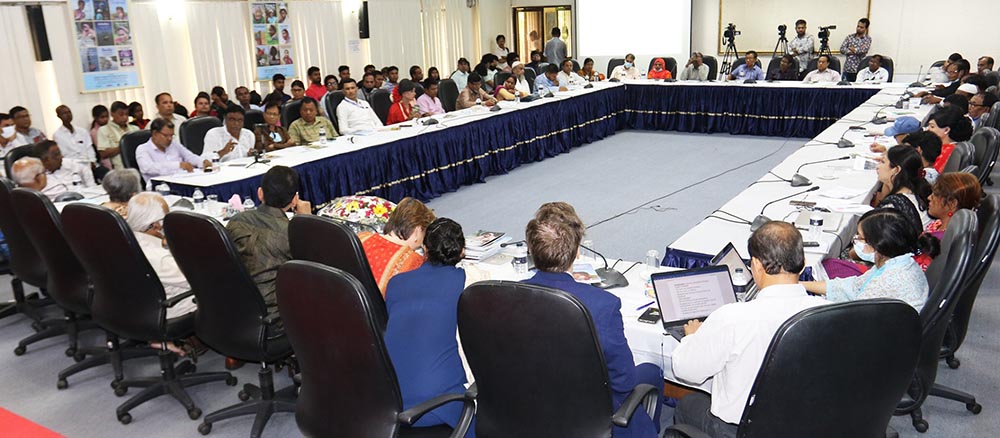
Speakers expressed this concern yesterday in the launching ceremony of Brattyajan Resource Centre (BRC), a centre dedicated to conduct research on exclusion and marginalisation challenges in Bangladesh.

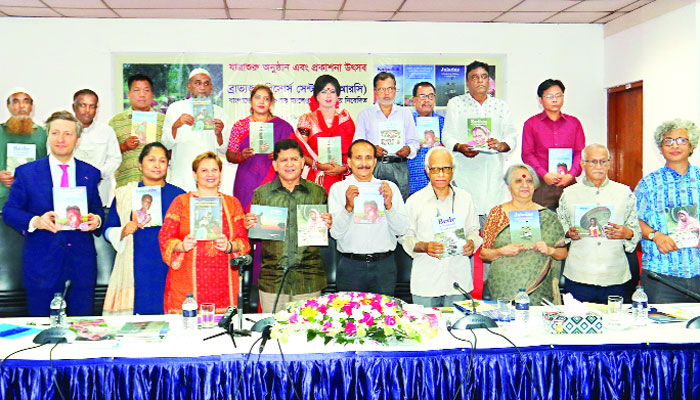
On the same day, BRC and Society for Environment and Human Development (SEHD) published 11 books and monographs on Bangladesh’s marginalised communities.

Phillip Gain, director of SEHD, said, “Monthly salary of a cleaner from the Harijan community is only Tk 550 in Sreemangal municipality. They are not even allowed to dine in the nearby restaurants.”

Gain said the government does not have reliable data on marginalised groups. Eminent economist Prof Wahiduddin Mahmud said compared to neighbouring countries, income inequality is comparatively low in Bangladesh. However, this fact is not applicable for minorities.

“Even our development policies and plans do not include these communities. As a result, sometimes what we consider as development projects, turn out to be a threat to their survival,” he said.

Lilly Nicholls, high commissioner of Canada to Bangladesh; Prof Tanzimuddin Khan of international relations department at DU; Dr Hossain Zillur Rahman, executive chairperson, Power and Participation Research Centre; activist Khushi Kabir; and Jeremy Opritesco, deputy head of diplomatic mission, EU Delegation, were also present.

News Link: thedailystar.net

SDG not achievable excluding marginalised people: discussion

SDG not achievable excluding marginalised people: discussion

SDG not achievable excluding marginalised people: discussion

Speakers, including rights activists, academics, economists, diplomats and ethnic minority group leaders on Saturday said that the Sustainable Development Goals could not be achieved by leaving a person behind as the country was looking forward to achieving UN-sponsored goals by 2030.

They made the observation at a discussion held at the CIRDAP auditorium marking the launch of Brattyajan Resource Centre, a non-government organisation that promised to work for marginalised people.

Non-government organisations the Society for Environment and Human Development, and the Power and Participation Research Centre jointly organised the event.

Chairing the event, former caretaker government adviser Hossain Zillur Rahman said that the SDG could not be achieved leaving even a person behind in the development process.

‘The marginalised people have the capacity and all they need is support from the government and the society,’ he said.

Renowned economist Wahiduddin Mahmud said that poverty eradication moves could not be successful without giving attention to the marginalised communities.

‘All stakeholders of the country should be included in the country’s development process. Official sources of information are important to maintain the correct census of the marginalised groups,’ he said attending the event as chief guest.

Speaking as the special guest, Jeremy Opritesco, deputy head of mission, the delegation of the European Union to Bangladesh, hailed Bangladesh for making commendable progress in human development.

‘EU always fights against discrimination,’ he said, adding that it would continue its support to Bangladesh authorities and non-government organisations to establish the rights of marginalised people.

SHED director Philip Gain presented the keynote paper at the programme.

‘We have several confusions over the number of different ethnic minorities, tea garden workers, sex workers, Harijans and others issues. The government formed a list of the ethnic minority groups on March 19, 2019, where 50 ethnic minority groups made the list,’ he said.

He said that they would work to find the actual number of ethnic minority groups and marginalised people in the society along with advocacy works to improve their lives.

‘A cleaner of Harijan community in Sreemangal municipality receives Tk 550 monthly payment and they are not allowed to take food at restaurants,’ he said.

He added that a tea garden worker also received Tk 120 per day.

Stressing the need for a census of marginalised and ethnic communities, former information commissioner Golam Rahman said, ‘We need to understand the real potential of information. We want to forget the discrimination.’

Canadian High Commissioner to Bangladesh Lilly Nicholls said that she came to know about the plights of marginalised people in society in terms of their ethnicity, religion and sexual orientation through the session.

‘I had no idea about the struggle that you faced,’ she added. 

Chattogram Hill Tracts human rights activist Zuam Lian Amlai, Joyenshahi, Adibashi Unnyan Parishad president Eugrin Norkek, Sex Workers Network president Alyea Akhter Lily, Sachetan Samajseba Hijra Sangha president Ivan Ahmed Katha among others spoke at the programme.

They described how marginalised people were facing discrimination in society in acquiring land, education and for their basic rights. The programme also featured the launching of books based on different ethnic and marginalised groups in society.

The books are titled State of the Excluded and Marginalised Communities: Reports, analyses and insights on exclusion challenges in Bangladesh, Bede: A Nomadic Existence, Rishis of Khulna, Sex Workers and Brothels in Bangladesh, Kaiputra: A Pig Rearing Community, Harijans of Bangladesh, Jaladas: A Seafaring Fishing Community, Bihari Community: Living in Camps, Taking Material and Module, Taking Side with Smaller Ethnic Communities and the Marginalised: Clarity of Thoughts and Code of Conduct.

Dhaka University international relations department professor Tanzimuddin Ahmed gave the welcome speech while Nijera Kori coordinator Khushi Kabir also spoke.

The programme was followed by a cultural event.    

Staff Correspondent | Published: 00:10, May 29,2022

News Link: newagebd.net

‘পিছিয়ে পড়া জনগোষ্ঠীর উন্নয়নে যথাযথ পরিকল্পনা নেওয়া হয়নি’

‘পিছিয়ে পড়া জনগোষ্ঠীর উন্নয়নে যথাযথ পরিকল্পনা নেওয়া হয়নি’

‘পিছিয়ে পড়া জনগোষ্ঠীর উন্নয়নে যথাযথ পরিকল্পনা নেওয়া হয়নি’

দেশের পিছিয়ে পড়া প্রান্তিক জনগোষ্ঠীর উন্নয়নে যথাযথ পরিকল্পনা নিতে সরকারের ব্যর্থতা রয়েছে বলে মনে করেন বিশিষ্ট অর্থনীতিবিদ ও সাবেক তত্ত্বাবধায়ক সরকারের উপদেষ্টা অধ্যাপক ওয়াহিদউদ্দিন মাহমুদ। তিনি বলেছেন, ‘বাংলাদেশে প্রতিবেশী রাষ্ট্রগুলোর তুলনায় ধনী-দরিদ্র ভেদাভেদ ও বর্ণবিভেদ অনেক কম। দেশে শ্রেণি ও গোষ্ঠী নির্বিশেষে উন্নয়নের ধ্যান-ধারণা গ্রহণ করা সহজ হয়েছে। কিন্তু প্রান্তিক গোষ্ঠীগুলোর ক্ষেত্রে এমনটা হয়নি। এ ক্ষেত্রে সরকারের ব্যর্থতা রয়েছে।

শনিবার রাজধানীর সিরডাপ মিলনায়তনে ব্রাত্যজন রিসোর্স সেন্টার (বিআরসি) চালু উপলক্ষে আয়োজিত অনুষ্ঠানে তিনি এসব কথা বলেন। ওয়াহিদউদ্দিন মাহমুদ বলেন, প্রান্তিক জনগোষ্ঠীর কাছে উন্নয়নের ধ্যান-ধারণা ঠিকমতো পৌঁছে দেওয়া হয়নি। তাদের জীবন-জীবিকার উপযোগী যে ধ্যান-ধারণাগুলো ঈষৎ পরিবর্তন করে দেওয়ার কথা ছিল, সরকারের পক্ষ থেকে সেভাবে চিন্তা করা হয়নি।

তিনি বলেন, উন্নয়ন প্রক্রিয়া অনেক ক্ষেত্রে প্রান্তিক জনগোষ্ঠীর মানুষের অগ্রগতির জন্য বাধা হয়ে দাঁড়িয়েছে। প্রান্তিক জনগোষ্ঠীর মানুষের উন্নয়নে সঠিক পরিকল্পনা নিয়ে তা বাস্তবায়নে সরকারকে উদ্যোগ নেওয়ার আহ্বান জানান এই অর্থনীতিবিদ।

অনুষ্ঠানে জানানো হয়, সোসাইটি ফর এনভায়রনমেন্ট অ্যান্ড হিউম্যান ডেভেলপমেন্ট (সেড) ও পাওয়ার অ্যান্ড পার্টিসিপেশন রিসার্চ সেন্টারের (পিপিআরসি) উদ্যোগে যাত্রা শুরু করেছে বিআরসি। দেশের প্রান্তিক ও বাদপড়া জনগোষ্ঠীর কল্যাণে কাজ করবে প্রতিষ্ঠানটি।

ব্র্যাক বাংলাদেশের চেয়ারপারসন ও সাবেক তত্ত্বাবধায়ক সরকারের উপদেষ্টা ড. হোসেন জিল্লুর রহমানের সভাপতিত্বে অনুষ্ঠানে আরও বক্তব্য দেন বাংলাদেশে কানাডার হাইকমিশনার ড. লিলি নিকোলস, বাংলাদেশে ইউরোপীয় ইউনিয়ন ডেলিগেশনের ডেপুটি হেড অব মিশন জেরেমি ওপ্রিটেসকো, নিজেরা করির সমন্বয়ক খুশী কবির, সাবেক প্রধান তথ্য কমিশনার ও আজকের পত্রিকার সম্পাদক অধ্যাপক গোলাম রহমান প্রমুখ। ১১টি বই ও মনোগ্রাফের প্রকাশনা উৎসবের আয়োজনও ছিল এতে। এ ছাড়াও বেদে সম্প্রদায় নিয়ে একটি তথ্যচিত্র প্রকাশ করা হয়।

অনুষ্ঠানের মূল প্রবন্ধে সেডের পরিচালক ফিলিপ গাইন বলেন, তার প্রতিষ্ঠান কাজ শুরু করে আদিবাসী জাতিসত্তা, অরণ্যচারী মানুষ, বন বিনাশের নানা বিষয় ও পরিবেশ নিয়ে। পরে তাদের চিন্তা ও কাজের পরিধি বেড়েছে। কাজ শুরু হয় চা শ্রমিক ও যৌনকর্মীদের নিয়েও। প্রান্তিক জনগোষ্ঠীগুলো থেকে বেদে, হরিজন, ঋষি, কায়পুত্র, জলদাস, বিহারি জনগোষ্ঠীও যুক্ত হয়। তারা সবাই মিলে প্রায় ৬০ লাখ মানুষ। তাদেরই আমরা বলছি ব্রাত্যজন।

ড. লিলি নিকোলস বলেন, কানাডায় পুরো পৃথিবী থেকে অনেক মানুষ এসেছে। সেখানেও বৈষম্য বিদ্যমান। সব ধরনের বৈষম্য দূর করতে কাজ চালিয়ে যাওয়ার প্রত্যয় জানান তিনি।

অধ্যাপক মো. গোলাম রহমান বলেন, ধর্ম, বর্ণ ও পেশার ভিত্তিতে মানুষে মানুষে ভেদাভেদ হওয়াটা অস্বাভাবিক।

খুশী কবির বলেন, বৈষম্যের বিরুদ্ধে কথা বলতে গেলে ভাষা অত্যন্ত গুরুত্বপূর্ণ। হিজড়াদের যদি তৃতীয় লিঙ্গ বলা হয়, তাহলে প্রথম ও দ্বিতীয় লিঙ্গ কে?

বাংলাদেশ চা শ্রমিক ইউনিয়নের রামভজন কৈরী বলেন, চা শ্রমিকরা নিজেদের নাগরিক অধিকারের কথা জানে না। তাঁদের কাছে অধিকার সম্পর্কিত তথ্য পৌঁছে দিতে হবে।

এ ছাড়াও কথা বলেন বাংলাদেশ সেক্স ওয়ার্কার্স নেটওয়ার্কের প্রধান আলেয়া আক্তার লিলি, বেদে সর্দার সউদ খান, জয়েনশাহী আদিবাসী উন্নয়ন পরিষদের সভাপতি ইউজিন নকরেক, পার্বত্য চট্টগ্রামের মানবাধিকারকর্মী জুয়ানলিয়াম আমলাই এবং সিকো খুমি।

সমকাল প্রতিবেদক | প্রকাশ: ২৯ মে ২২ । ০৮:৫১ | আপডেট: ২৯ মে ২২ । ০৮:৫১
News Link: samakal.com

Ensure mainstream inclusion of the marginalised: Experts

Ensure mainstream inclusion of the marginalised: Experts

Ensure mainstream inclusion of the marginalised: Experts

Staff Correspondent | Update: 29 May 2022 00:26:22
 

The Bangladesh government should ensure mainstream inclusion of marginalised communities such as Harijans, Rishi, Kaiputra, Bede and Bihari, which will help Bangladesh sustain its development, and allow a smoother transition to a middle-income country.

Eminent Professor Wahiduddin Mahmud made the remark as the chief guest while addressing an event titled “Launching of Brattyajan Resource Centre (BRC) and Books,” held in the capital’s CIRDAP auditorium on Saturday.

He further said, “In development, the economic contribution of these communities should be highlighted, while preserving their culture, language and ethnic identities. Members of these communities should not be considered marginalised in the near future.”

“The goal of a developed country is that no one can be neglected due to their ethnic and gender identities, and our aim is to become developed in the upcoming days.”

The BRC was launched to build research-based strategies to address exclusion and marginalisation challenges, and the books contain research and resources on these communities.

Nijera Kori Coordinator Khushi Kabir, former chief information commissioner Prof Md Golam Rahman, European Union delegate Deputy Head of Mission Jeremy Opritesco, and high commissioner of Canada to Bangladesh Dr Lilly Nicholls attended the event as special guests.

Khushi Kabir said, “Nowadays, land rights are a major issue, as the most marginalised communities have no land and identity.”

Prof Golam Rahman said, “Information is power and we can change ourselves using information that is reflected in research and enshrined in BRC. We shall not isolate communities, rather make them united and equal.”

Opritesco said, “The EU fights against all discrimination based on ethnic and gender identities, language and culture. We expect strong involvement of all parties.” 

News Link: businesspostbd.com